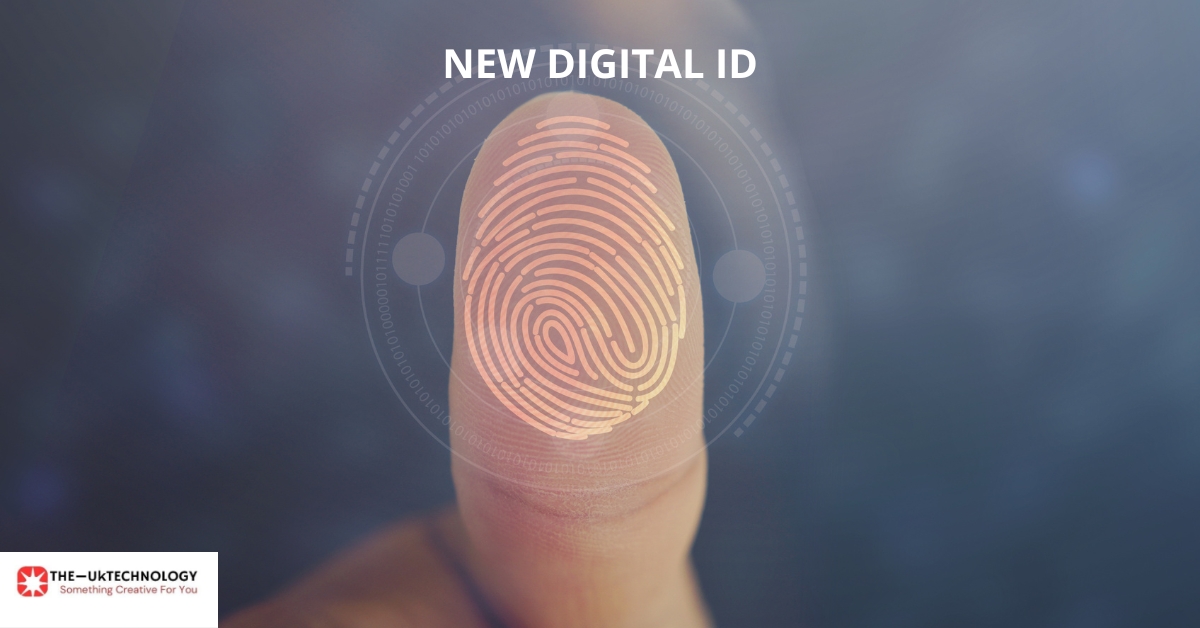
When Will New Digital ID Be Mandatory in UK – Full Guide
The UK government has announced plans to roll out a new digital ID that will change the way people prove their identity and right to work in the country. This digital system, branded as BritCard, is expected to become mandatory for certain services by the end of the current Parliament.
Digital identification is already becoming a global standard, and the UK is following countries like Australia, Estonia, and Denmark in making identity verification simpler, faster, and more secure. In this UK technology blog, we will explain what the new digital ID is, why it is being introduced, its benefits and potential risks, and, most importantly, when it will be mandatory in the UK.
For official details, you can check the UK Government announcement.
What is the New Digital ID?
A digital ID is a digital representation of a person that can confirm who they are and verify key facts about them in online and physical interactions. Unlike physical ID cards or passports, a digital ID can be stored on your smartphone, making it easier to access and use when needed.
The new digital ID UK scheme will include personal information such as:
- Name
- Date of birth
- Nationality or residency status
- A photo for biometric verification
This ID will be stored securely on your device through the GOV.UK Wallet. It is designed to provide privacy, as only the necessary information will be shared during verification.
Why is the UK Introducing a Digital ID?
The government has several reasons for introducing the new digital ID:
Simplifying Access to Services
With a digital ID, citizens can access government services like driving licenses, childcare, welfare, and tax records without repeated identity checks. This will save time and reduce paperwork.
Reducing Illegal Working
Digital ID will be mandatory for Right to Work checks. This ensures that only people legally allowed to work in the UK can get jobs, which helps prevent illegal employment and supports immigration control.
Enhancing Security and Privacy
State-of-the-art encryption and authentication will protect personal data. The digital ID is designed to reduce identity fraud by confirming verified credentials, rather than sharing sensitive personal information unnecessarily.
International Examples
Countries like Australia, Estonia, Denmark, and India have shown how digital IDs can make life easier while reducing fraud and inefficiency.
Key Features of the New Digital ID
- Mandatory for Right to Work Checks: By law, employers will need to verify employees’ work eligibility using the digital ID.
- Voluntary for Other Services: For services like accessing healthcare or public transport, a digital ID may not be required.
- Secure Storage: Credentials are stored on personal devices with encryption and biometric authentication.
- Inclusive Design: Plans include alternatives for those without smartphones or digital skills.
When Will Digital ID Be Mandatory in the UK?
The UK government plans to make the new digital ID mandatory for Right to Work checks before the end of the current Parliament, expected by August 2029.
This means:
- All UK citizens and legal residents must have a digital ID to prove work eligibility.
- Digital ID will not replace physical documents for other services initially.
- Pensioners, students, and people not seeking work may not need it for daily activities.
The rollout will include public consultations, training, and support programs to help everyone, including those who are less familiar with technology.
Benefits of the New Digital ID
- Time-Saving: Avoid repeated identity checks and paperwork.
- Security: Advanced encryption protects personal data.
- Reduced Fraud: Verified credentials prevent identity theft and illegal work.
- Convenience: Access multiple services from a single digital wallet.
- Privacy: Only necessary information is shared for verification.
By introducing a single, reusable digital identity, the UK hopes to simplify everyday processes while keeping citizens secure.
How Will the New Digital ID Work?
The new digital ID UK will work through the GOV.UK Wallet, similar to how people use contactless payments or the NHS app:
- Individuals will verify their identity once.
- A credential confirming verified details will be issued.
- This credential can be shared digitally whenever proof of identity is needed.
- Data remains secure and under user control, without a centralised database.
Who Can Get a Digital ID?
All UK citizens and legal residents will be eligible for the digital ID. The government has emphasised inclusion, so even those without smartphones or digital access will have alternative ways to obtain it.
Potential Risks and Concerns
While digital ID offers many benefits, there are some concerns:
- Privacy and Surveillance: Even with encryption, critics worry about potential misuse of personal data.
- Digital Exclusion: Vulnerable groups, like older people or homeless individuals, might face difficulties accessing services.
- Technical Issues: Loss of devices, system outages, or errors could impact access to important services.
The government plans public consultations to address these concerns and create a secure, inclusive system.
Other Related UK Digital ID Systems
- UK One Login: A unified login system for government services.
- UK Wallet: App to store official documents digitally.
These systems will complement the new digital ID, making access to public services seamless.
What Will Digital ID Be Used For?
The new digital ID will initially be mandatory for:
- Right to Work checks
- Employment verification
In the future, it may be used for:
- Accessing government services like driving licences and childcare
- Verifying tax records
- Other services approved by the government
Key Terms to Know
- UK ID Card / British ID Card: Identity cards are given in the UK, and digital IDs are slowly replacing paper IDs.
- BritCard: The brand name for the government-issued digital ID.
- Digital Identity: A secure, digital representation of personal information used for verification.
- Digital ID UK / UK Digital ID: Refers to the government’s digital identification scheme.
FAQs About New Digital ID in the UK
1. When will digital ID be mandatory in the UK?
Starting in August 2029, when the current Parliament ends, the digital ID will be needed for all Right to Work checks.
2. Will digital ID replace passports?
No. Physical passports and other ID documents will still be valid. Digital ID will complement, not replace, traditional documents.
3. Will pensioners have to have a digital ID?
Pensioners are not required to have a digital ID for daily activities, unless they need to prove eligibility to work or access specific services.
4. What is digital ID UK?
With Digital ID UK, a safe and secure government-issued identity, you can verify yourself online and in person with the information stored on your device.
5. When is digital ID coming to the UK?
The rollout will begin with public consultation later in 2025, with full mandatory implementation for work verification by 2029.
6. How to get digital ID UK?
Eligible UK citizens and residents will register through the GOV.UK Wallet app or approved alternatives provided by the government.
7. What happens if I don’t want a digital ID?
For services other than work verification, having a digital ID is voluntary. For Right to Work checks, it will be mandatory.
8. Is the UK getting rid of physical passports?
No. Physical passports remain valid and are not replaced by a digital ID.
Conclusion
The new digital ID represents a major step toward modernising identity verification in the UK. While its main purpose is to ensure legal employment and reduce fraud, it also offers convenience, efficiency, and security for citizens accessing government services.
With the rollout expected to be mandatory for Right to Work checks by August 2029, UK residents should prepare to adopt this digital system. Through careful planning, inclusion measures, and secure technology, the government aims to make this transition smooth for everyone.
For the official UK government announcement and more details, visit here.



Post Comment